Día de los Muertos/
Day of the Dead Celebration
Welcome to the beautiful world of Día de Muertos!
At the heart of everything we do is Día de Muertos (DDM) — a one-of-a-kind dance festival that celebrates Mexico's Day of the Dead, performed in unique spaces that bring the experience to life in unexpected ways.
Over the years, the festival has grown into something truly special. We bring together artists for residencies, commissions, and live performances — all built around two simple but powerful questions: What does Día de Muertos mean to you? and How can dance connect memory, ancestry, and the world we live in today?
Casa De Danza is led by Artistic Director Sarahí, whose vision is shaped by her own journey as a Mexican immigrant and Latina artist. She knows firsthand what it means to create in spaces that weren't always built with you in mind — and that's exactly why CDD exists. We're here to open doors for Latin choreographers, offering the resources, visibility, and space they need to create work that is both deeply rooted in culture and powerfully artistic.
Themes & Symbols
-
Celebration of life
While it may seem contradictory, the Day of the Dead is ultimately a celebration of life. It's a time to honour and remember deceased loved ones, celebrating their lives and the memories they left behind. Contrary to sombre mourning, the Day of the Dead often involves lightheartedness, humour, and joyful celebration. It's a time to remember the personalities and quirks of those who have passed away, joyfully celebrating their lives.
-
Family & Community
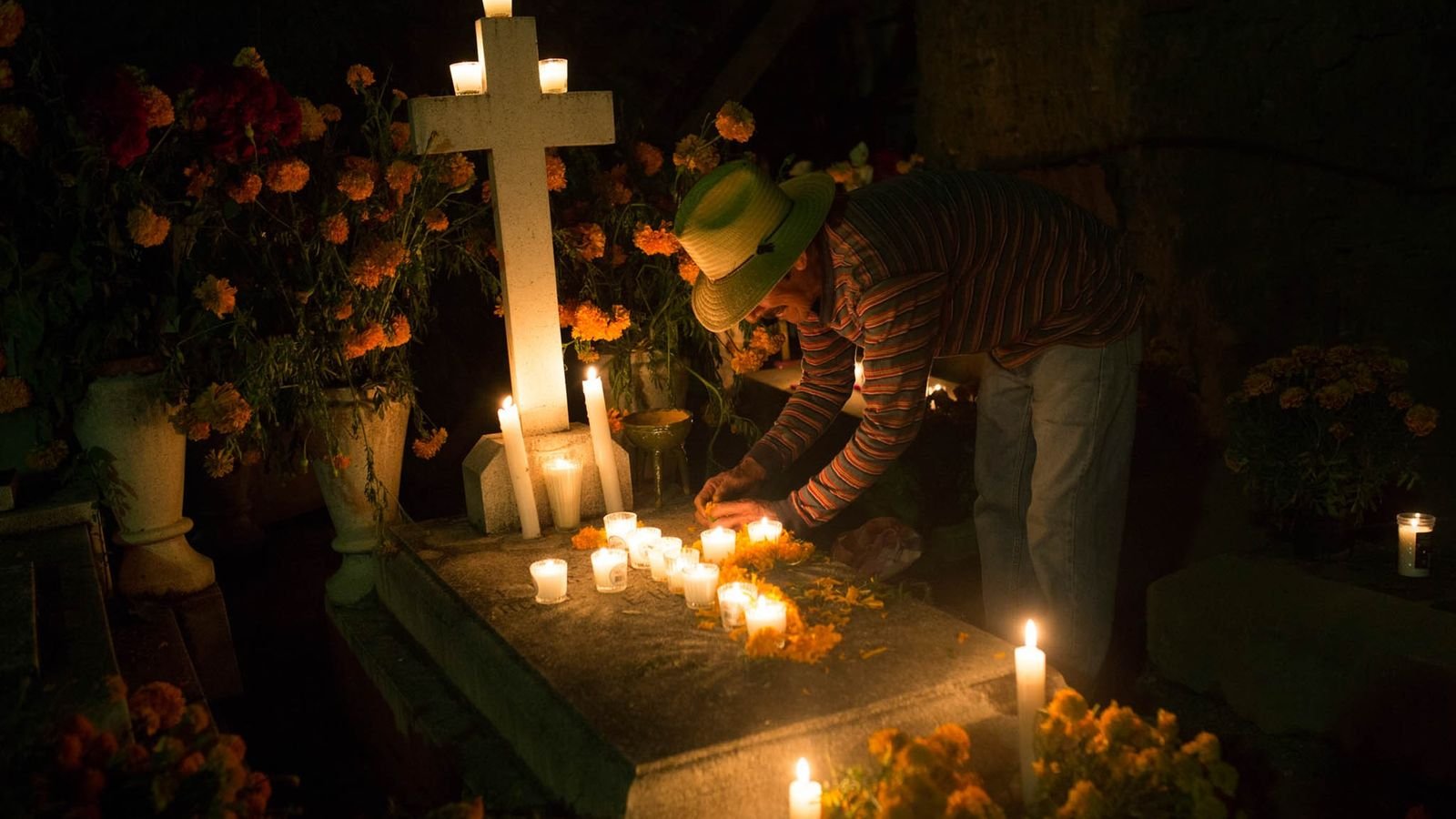
Day of the Dead emphasizes the importance of family and community bonds. It's a time for families to come together, share stories, and memories, and support one another in coping with loss and navigating grief.
-
Cultural Identity & Heritage
Day of the Dead is deeply rooted in Mexican culture and heritage. It serves as a reminder of the rich cultural traditions passed down through generations and reinforces a sense of identity and belonging. With some traditions coming from ancient Meso-American traditions and other ones from colonial Europe, it serves as a reminder of Mexico’s tapestry and history.
-
Spirituality & Belief
Day of the Dead reflects the spiritual beliefs of many cultures, particularly those influenced by Mesoamerican traditions. It's a time to honour the souls of the departed and believes in their continued spiritual presence.
-
Acceptance of Mortality
Rather than fearing death, Day of the Dead encourages acceptance and even embraces the idea of mortality as a natural part of life. This acceptance can lead to a deeper appreciation for the time we have with loved ones.
-
Artistic Expression
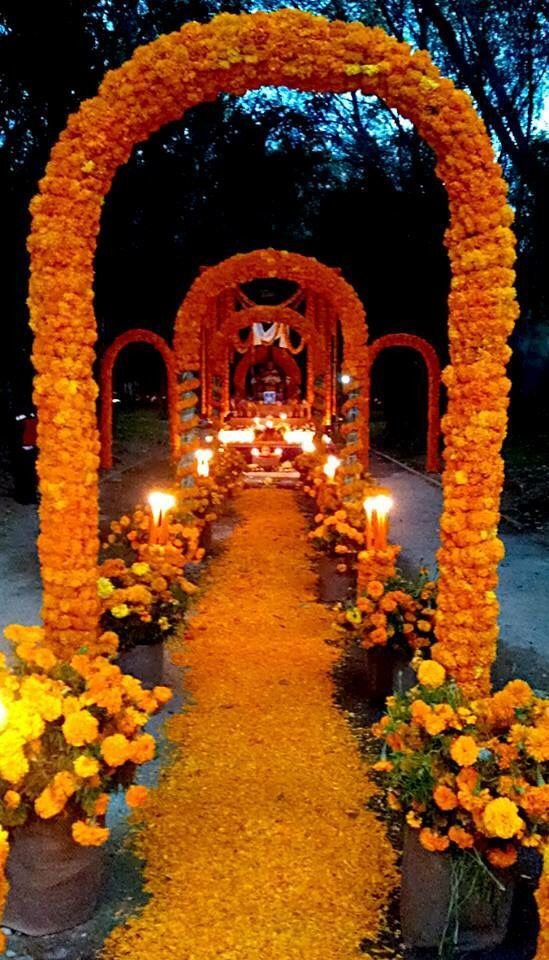
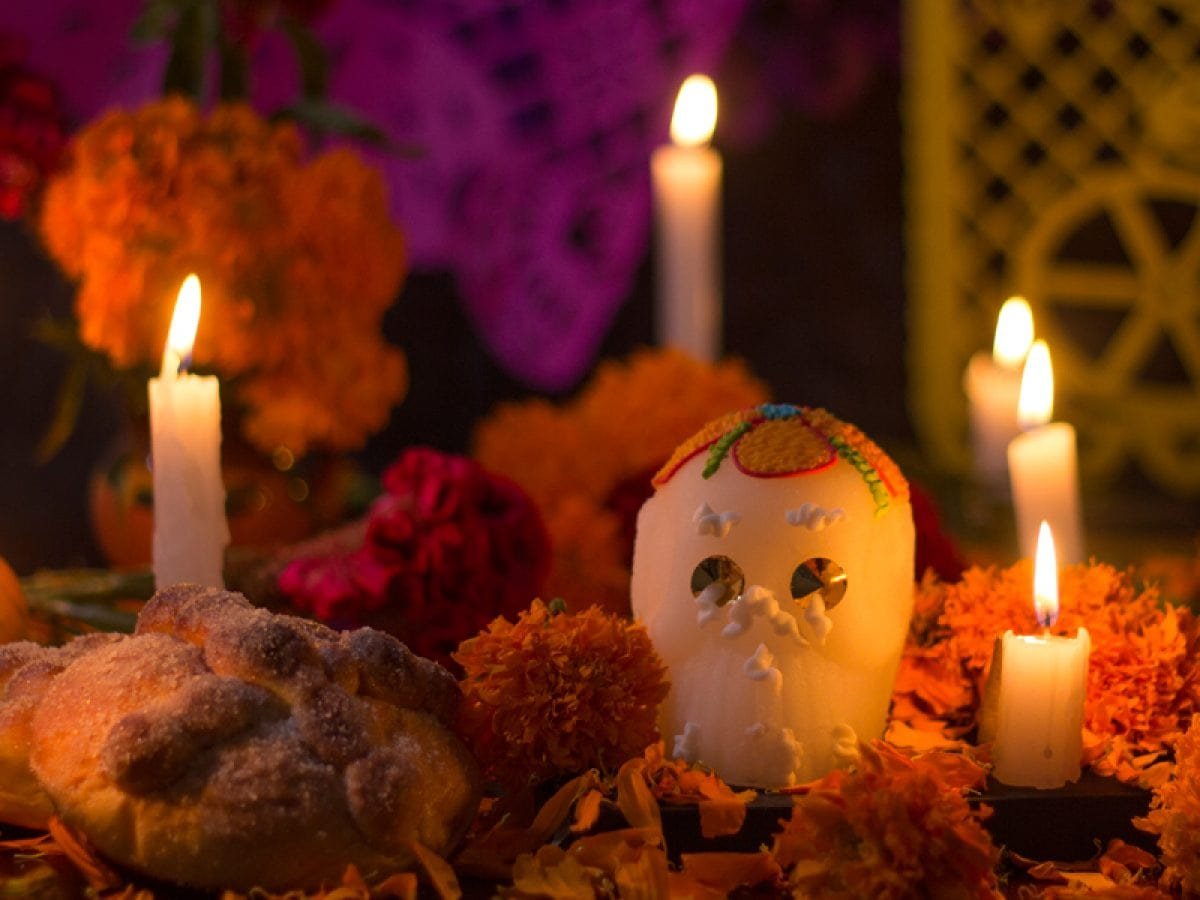
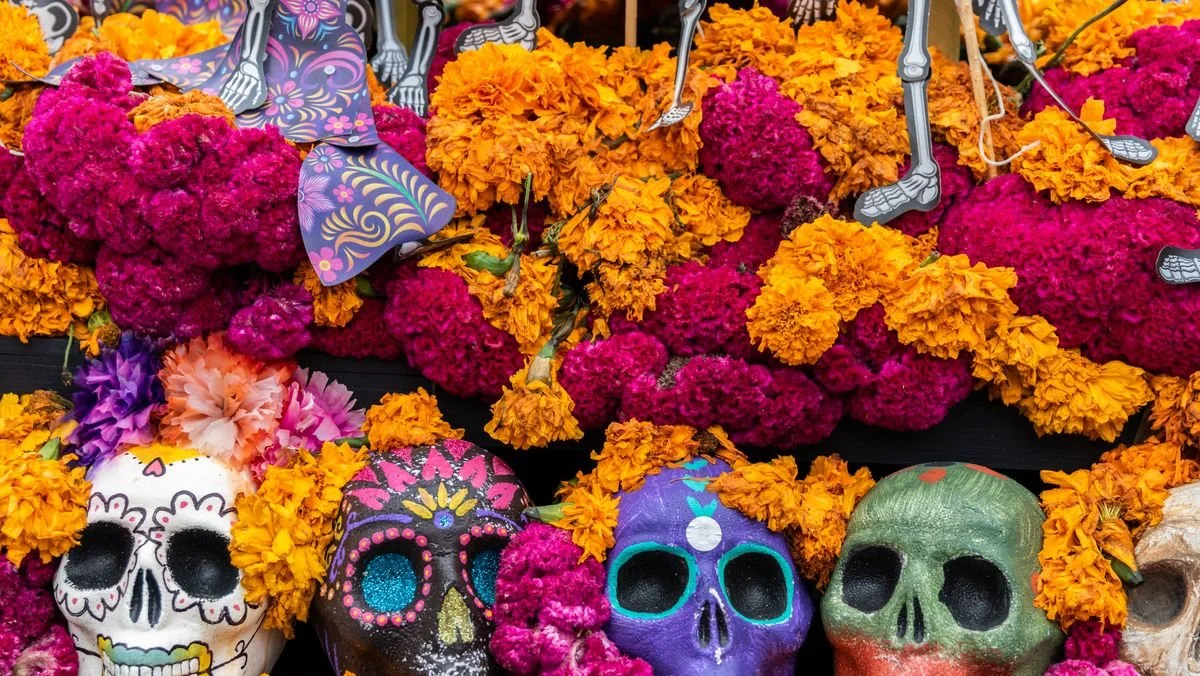
Day of the Dead is characterized by vibrant artistic expression, including elaborate altars (ofrendas), colourful decorations, and intricate sugar skulls. This artistic aspect encourages creativity and serves as a way to express love and reverence for the deceased.
La Ofrenda
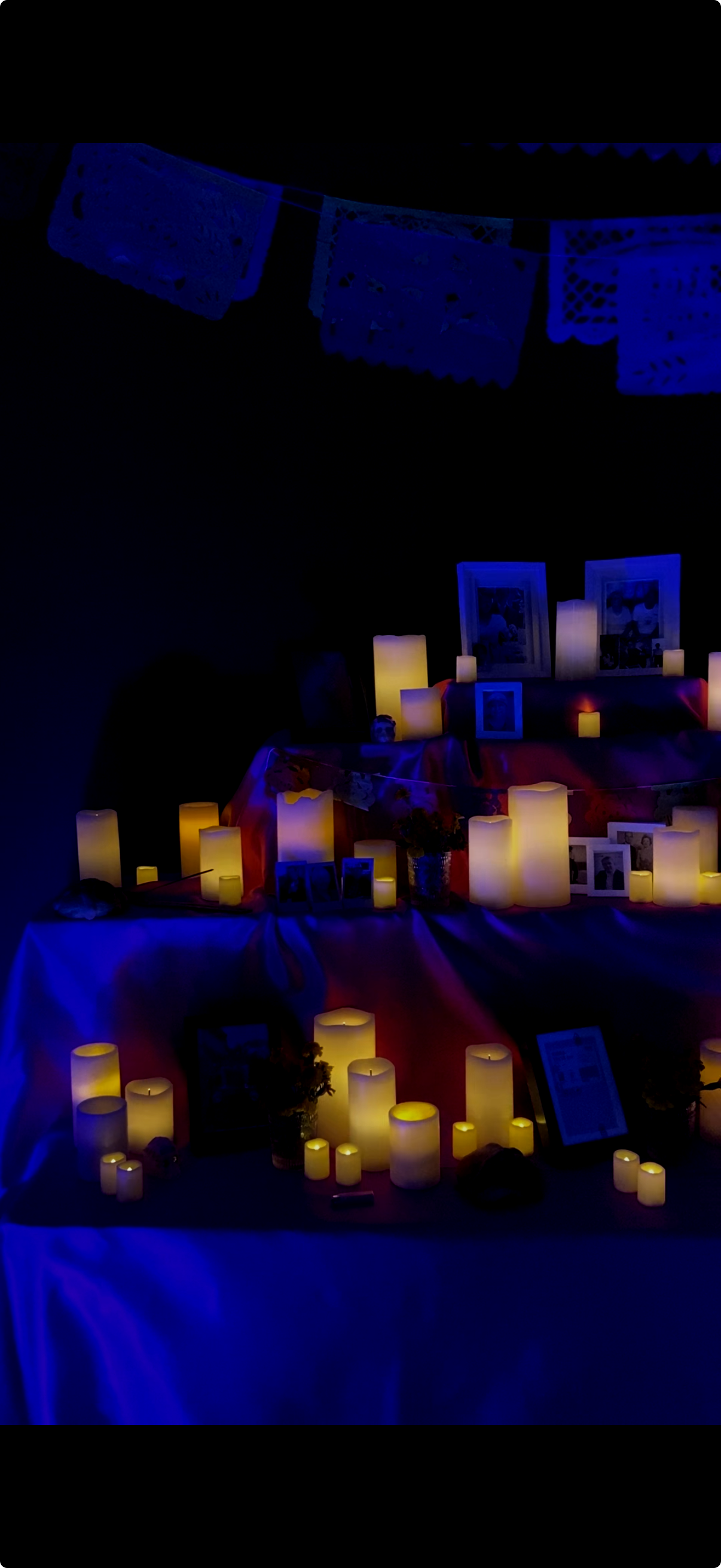
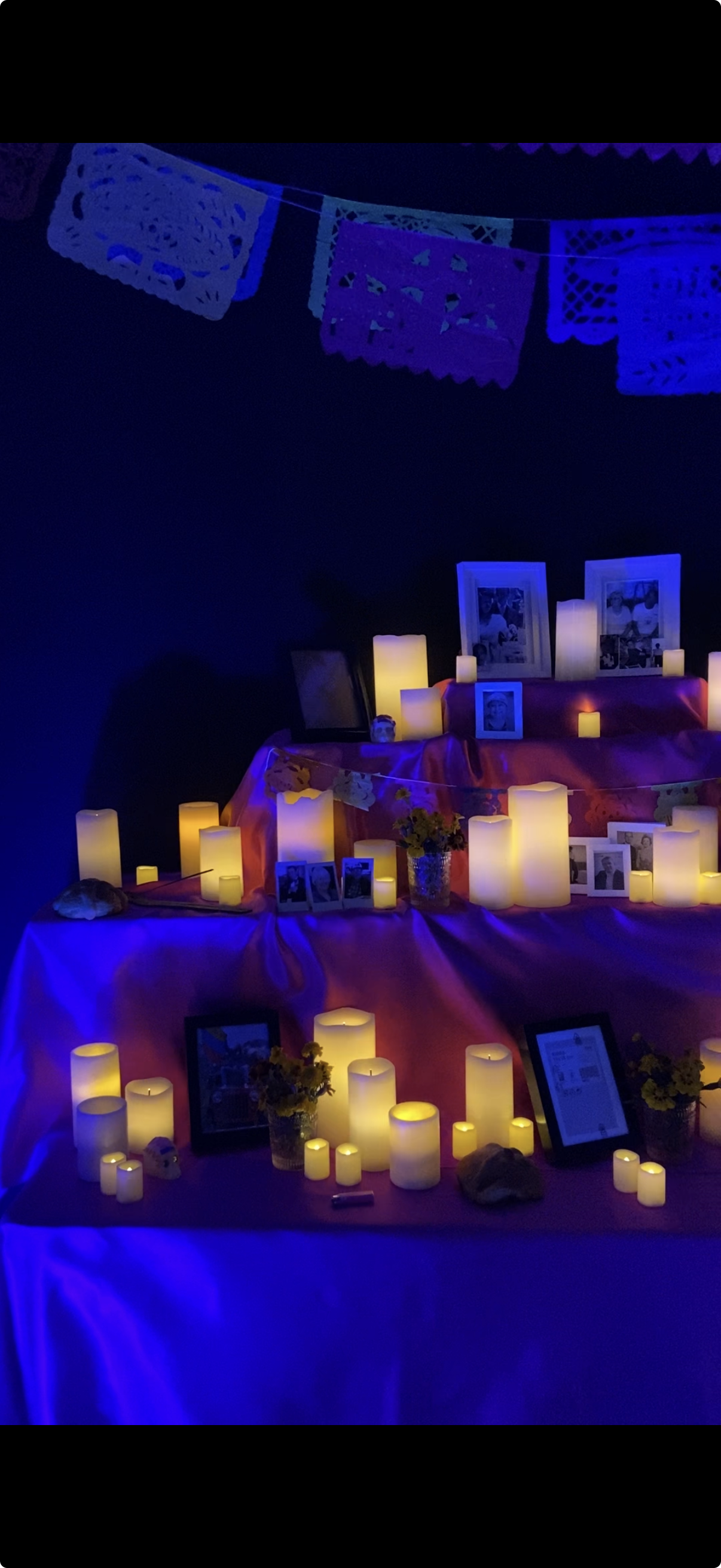
Each ofrenda in each household is different but at its root, it is the invitation to our loved ones who have passed to come back into the physical world to visit us, guide us and give us comfort. It is also a celebration of their life and an invitation for us who remain to remember their favourite things and what made them, them. All the ofrendas share different symbols, some rooted in ancient Meso-American traditions, some come from Spanish/European, and I can’t help to reflect on how deeply connected each altar is with our own histories and the journeys of each of our families.